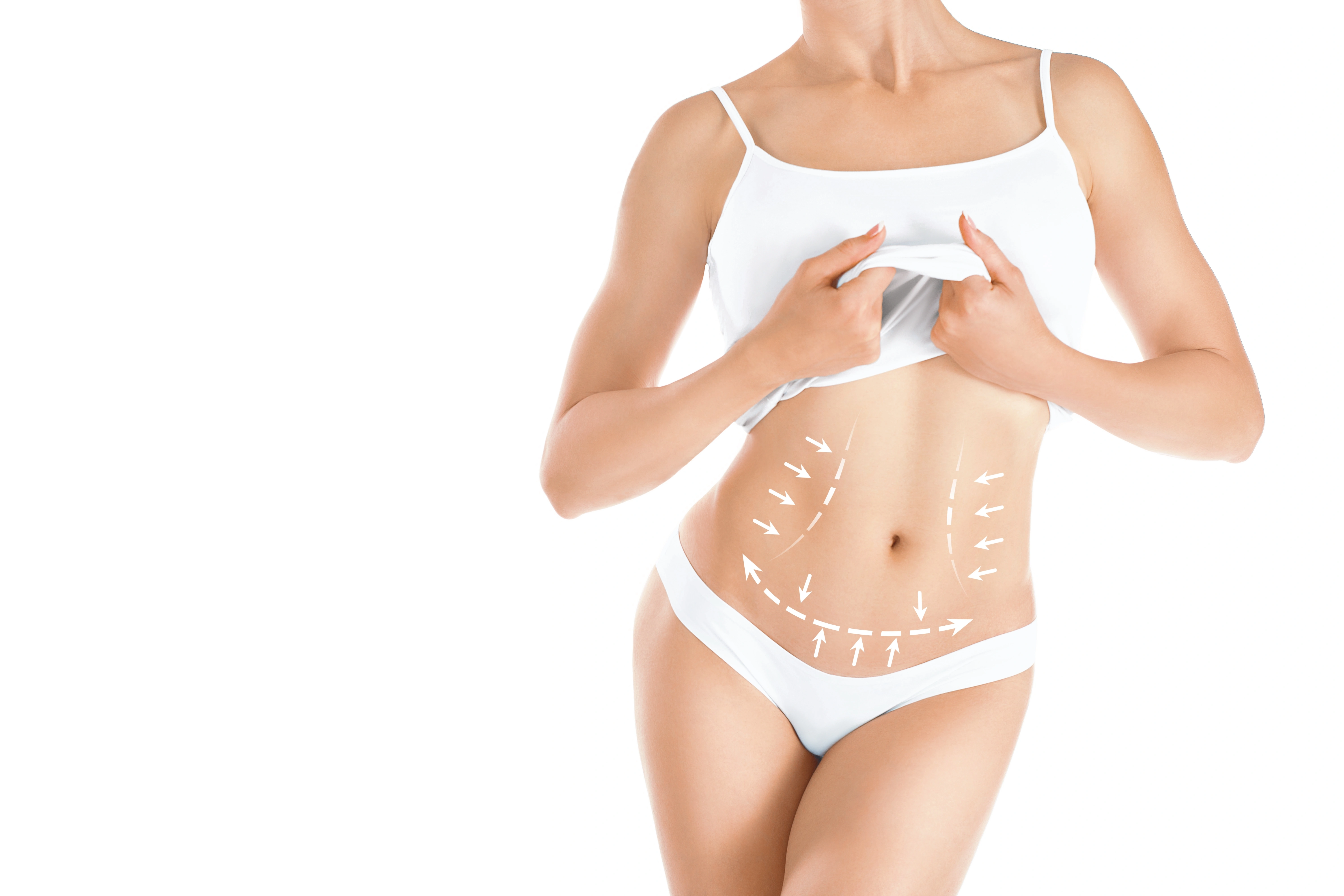
A tummy tuck, or abdominoplasty, is a surgical procedure designed to remove excess skin and fat from the abdomen while tightening weakened or separated abdominal muscles.
It is especially beneficial for individuals who have experienced significant weight loss, pregnancy, or natural aging that has left the abdominal area loose and saggy.
The result is a flatter, smoother, and more toned stomach, improving both appearance and self-confidence.
Types of Tummy Tuck
- Full Abdominoplasty: Removes excess skin and tightens muscles across the entire abdomen. Ideal for patients with significant skin laxity.
- Mini Tummy Tuck: Targets only the lower abdomen (below the belly button). Suitable for patients with minimal sagging.
- Extended Tummy Tuck: Addresses excess skin not only in the abdomen but also around the flanks and lower back.
How Is a Tummy Tuck Performed?
Step-by-Step Process:
- Consultation & Planning – The surgeon evaluates the patient’s abdominal area, skin elasticity, and medical history.
- Anesthesia – General anesthesia is typically administered for comfort.
- Incision – A horizontal incision is made between the pubic hairline and the navel.
- Muscle Tightening – Abdominal muscles are repaired and tightened.
- Skin Removal – Excess skin is trimmed, and remaining skin is repositioned.
- Closure – Incisions are closed with sutures; drains may be placed temporarily.
The procedure usually takes 2–4 hours, depending on the complexity.
Benefits of Tummy Tuck
- Flatter and firmer abdominal contour.
- Removal of excess skin and fat.
- Tightened abdominal muscles.
- Improvement in posture (due to stronger core support).
- Enhanced confidence and body image.
- Long-lasting results with proper lifestyle.
Who Is a Good Candidate?
A tummy tuck is suitable for:
- Individuals with loose or sagging abdominal skin.
- Patients with separated abdominal muscles (diastasis recti).
- Men and women after significant weight loss.
- Women after pregnancy who cannot regain a flat stomach with exercise.
- Non-smokers in good overall health.
It is not a substitute for weight loss; candidates should be at or near their ideal weight.
Recovery Timeline
- First Week: Swelling, bruising, and mild discomfort. Patients are advised to walk gently to aid circulation.
- 2–3 Weeks: Most discomfort subsides; patients return to light daily activities.
- 4–6 Weeks: Exercise and heavy lifting can gradually resume.
- 3–6 Months: Abdominal contour continues to refine.
- 12 Months: Final results and scar fading.
Compression garments are recommended to support healing.
Tummy Tuck in Turkey
Turkey has become a leading destination for tummy tuck surgeries due to:
- Experienced Surgeons: Specialists in body contouring and abdominoplasty.
- Advanced Clinics: Equipped with modern technologies and international accreditation.
- Affordable Prices: Up to 70% lower costs than Europe or the US.
- Health Tourism Services: Inclusive packages with accommodation, transfers, and interpreter support.
Risks of Tummy Tuck
As with any surgery, tummy tuck carries some risks:
- Temporary swelling and bruising.
- Scarring (usually hidden below underwear lines).
- Seroma (fluid accumulation).
- Infection (rare with proper care).
- Delayed wound healing in some cases.
Careful surgeon selection and post-operative care minimize these risks.
Conclusion
A tummy tuck is a highly effective procedure for restoring a firm, youthful abdominal profile. It is especially beneficial for those who have lost skin elasticity after weight loss or pregnancy. With the right surgeon and proper aftercare, the results can be transformative and long-lasting.
Turkey has become a top destination for tummy tuck surgeries, offering world-class expertise and affordable health tourism packages.
Ready to achieve a flatter, firmer abdomen and restore your confidence?
Contact us today for a free consultation and learn more about tummy tuck surgery in Turkey.

 Send Us A Message
 +90 242 505 60 59

